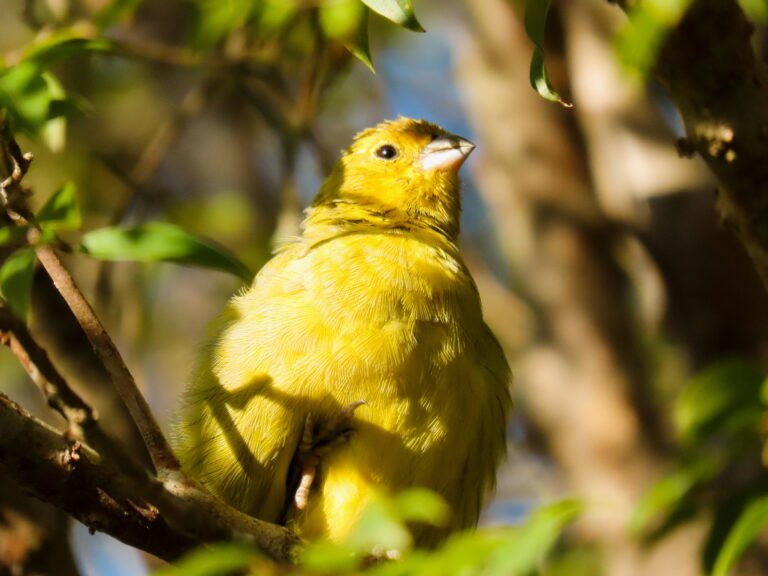
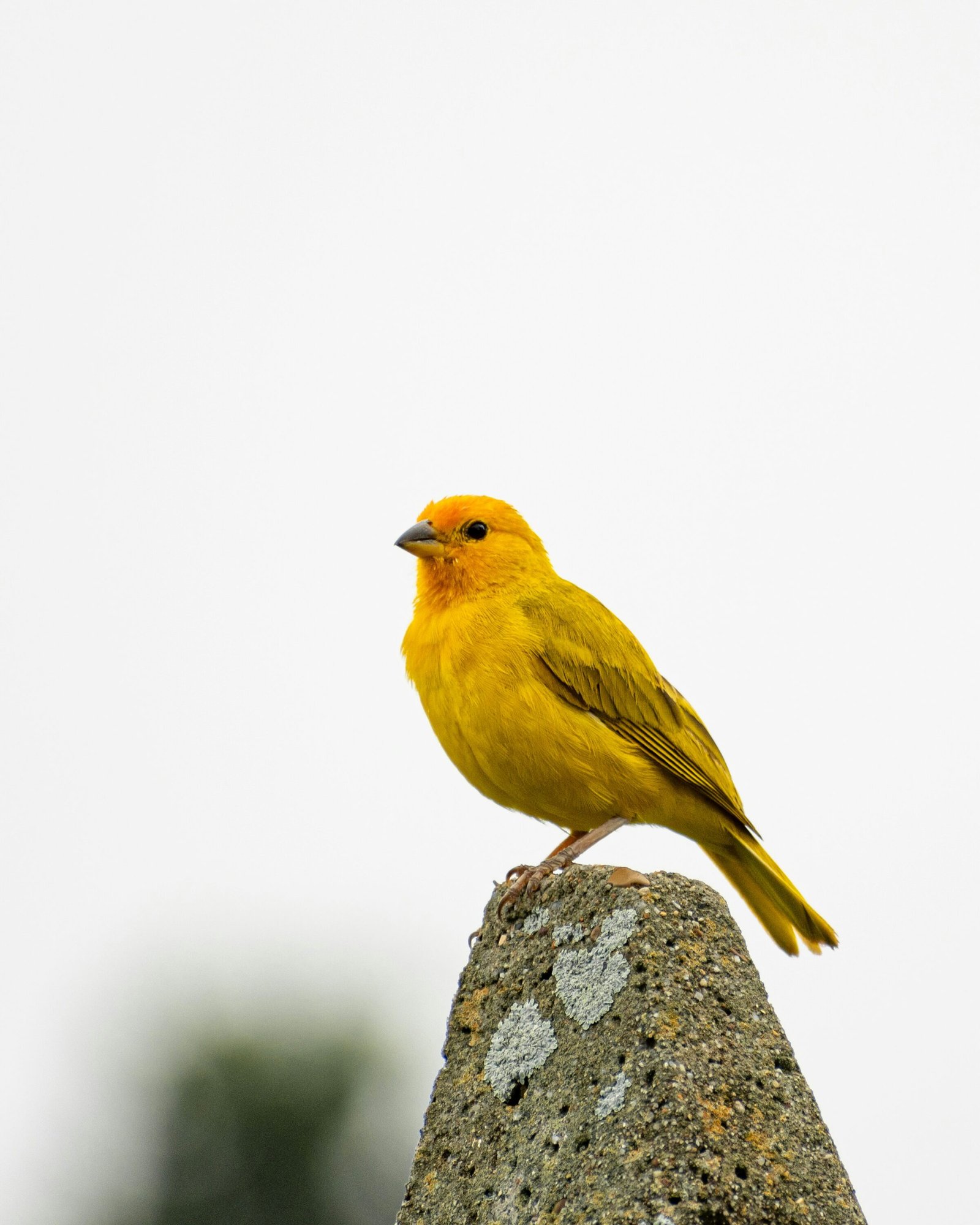
We all admire them. Their bright colours, their tiny size, and of course, that beautiful singing. Canaries are one of the most popular pet birds in the world.
But how well do we really know them?
Stay with me, because you might be surprised by what these little singers are hiding under those feathers.
1. Their Name Comes from the Canary Islands
Those little fellows were first discovered on the Canary Islands. Their scientific name is Serinus canaria, and they belong to the finch family.
But here’s a twist: the islands were not named after the birds. The name “Canary” actually comes from the Latin word canis, meaning dog. When the Romans arrived, they reportedly found large dogs on the islands and named them Insulae Canariae – the “Islands of the Dogs.”
So technically… the birds were named after the islands, and the islands were named after dogs.
From there, canaries traveled far and wide – first to Europe, then to North and South America, and eventually across the globe. Today, you can still find wild populations in places like Hawaii and Puerto Rico.
2. In Canaries, the Singer Is Usually Male
Yes, it’s true! That beautiful, melodious song is usually the male’s secret weapon.
Males sing to attract a mate, defend their territory, or sometimes… just because they feel like it.
Once they’ve found a mate, they often sing less.

A decrease in singing can also happen due to aging, molting, or sickness.
Females do chirp, of course, but their sounds are softer and simpler.
Young male canaries usually begin practicing their song at around six months of age. At first, it sounds a bit messy… like a tiny musician warming up. But with time and repetition, their song becomes clearer and more complex.
Light exposure also plays a big role. Longer daylight hours often encourage stronger singing, which is why many males sing more during spring. Nutrition matters too. A balanced diet helps maintain both their energy and vocal performance.
So if your male canary suddenly goes quiet, it might not be mood-related – it could be seasonal, hormonal, or health-related.
3. Canaries Can Live Alone
Unlike some other bird species, canaries don’t require a companion to be happy. They can live perfectly fine on their own.
If you want more than one, females can sometimes live together peacefully – as long as they’re introduced slowly and have enough space.
Males together? Not such a great idea. Let’s just say… it may turn into a tiny feathered boxing match.

4. They love baths
Canaries absolutely love bathing!
Offer them a shallow dish of water or a proper bird bath, and watch the show begin.
Bath time is serious business for a canary: splashing, fluffing, and full spa energy included.
And yes, they’ll look extremely proud of themselves afterward.
5. They prefer to be admired, not handled
Canaries are not the type of bird that enjoys frequent handling. They’re better suited for owners who love observing rather than petting.

However, they can recognize their owner’s face and voice. Some may even respond when they hear you.
6. They Were Once Coal Miners (Well… Sort Of)
Okay, not actual miners, but they were important helpers in coal mines.
Canaries are extremely sensitive to carbon monoxide. Because they breathe faster and process air more quickly than humans, they would show signs of poisoning earlier. This gave miners time to escape.
And yes, that’s where the phrase “like a canary in a coal mine” comes from.
7. They Can Learn Songs
No, they won’t become DJs…
But male canaries can learn specific song patterns if they hear them repeatedly, either from recordings or from other canaries.
So technically, you could influence your bird’s musical style.
8. There Are Over 200 Canary Breeds
When we think of canaries, we usually imagine a bright yellow bird. But there are over 200 breeds worldwide!
They’ve been selectively bred for color, size, feather shape, and of course, singing ability. Some are known for dramatic feather styles, others for powerful, complex songs.
They’re basically the fashion models of the bird world.
9. Wild Canaries Aren’t Just One Color
That solid bright yellow we associate with canaries? That’s the result of selective breeding.
In the wild, canaries are usually a mix of greenish, brownish, and yellow tones – perfect camouflage. Breeders worked for generations to create single-color varieties like the iconic yellow.
Nature prefers variety. Humans prefer aesthetics.
10. They Need Space – Even If They’re Small
They may be small, but their need to fly is not.
A spacious cage is essential for their physical and mental health. A cramped cage can lead to stress and health problems. The size of the cage really does affect their well-being.
Tiny bird. Big need for movement.
When choosing a cage, horizontal space is more important than height. Canaries fly side to side, not up and down like parrots. The wider the cage, the better.
Natural wooden perches of different thicknesses are also important for foot health. And if possible, supervised out-of-cage flying time in a safe room can greatly improve their physical condition and mental stimulation.
A small cage might keep them alive. A spacious one helps them thrive.
11. Their Diet Is More Than Just Seeds
Many people think a pet canary can live happily on seeds alone. While seeds are important, they shouldn’t be the only thing on the menu.
Fresh greens like spinach, lettuce, and broccoli (in moderation) provide valuable nutrients. During molting or breeding periods, many owners also offer egg food for extra protein. Some fruits can be given occasionally as a treat.
A varied diet supports feather health, energy levels, and even singing quality. Just like us, canaries thrive when their meals are balanced.
Final Thoughts
So the next time you hear that tiny, beautiful song, remember – there’s a lot more behind it than just a pretty voice.
Canaries carry history, personality, and centuries of human companionship in those small, colorful bodies.
Not bad for someone who fits in the palm of your hand.
If you’re considering bringing a canary into your home, remember: they may be small, but their needs are not.
Space, enrichment, proper diet, and respect for their nature make all the difference.
Thank you for reading!!! It really means a lot. 😊