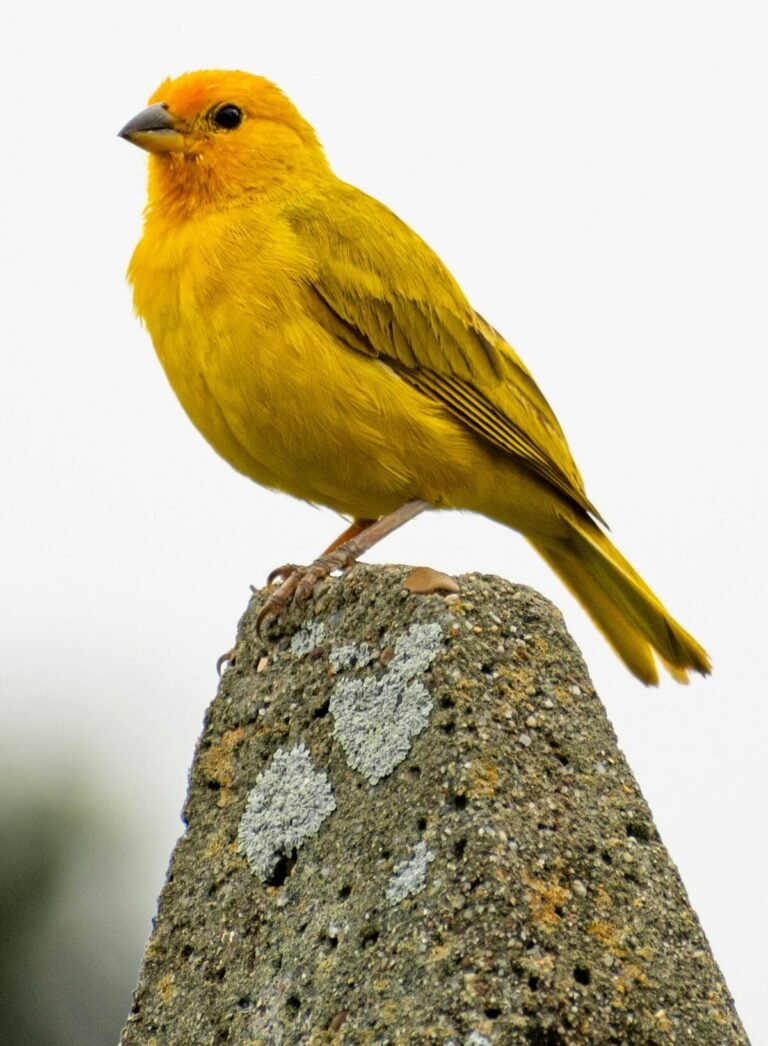
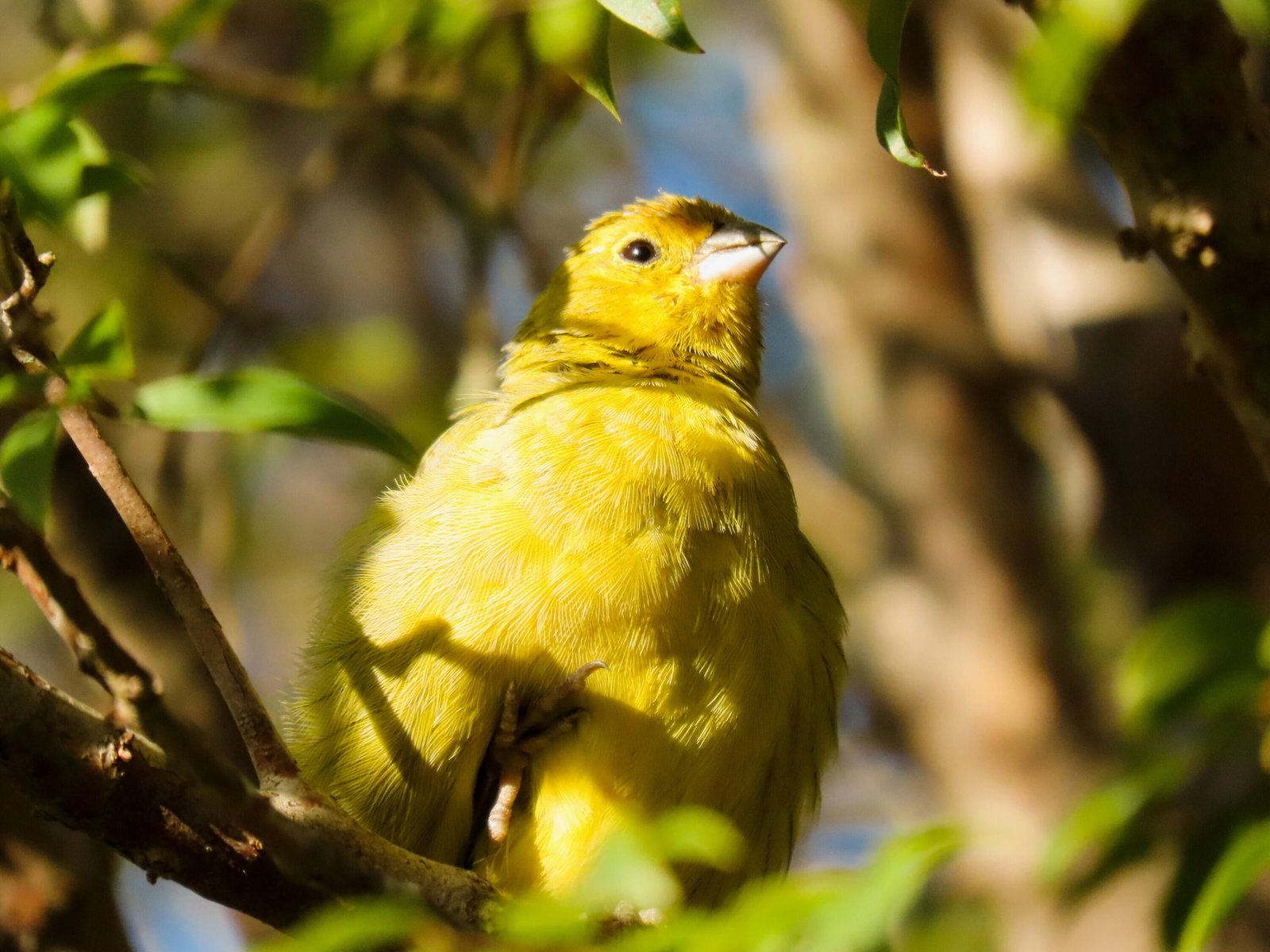
You wake up every morning with a cup of coffee in your hand while the beautiful songs of your little feathered friend fill the room.
Until one day…
Silence.
No concert. No encore. Just you staring at your canary, wondering what happened.
Well, if your little superstar used to sing beautiful, complex songs, we can almost certainly rule out the possibility of it being a female. As we mentioned in another article, male canaries are the ones that sing elaborate songs, while females usually stick to simple chirps.
So, with that out of the way, let’s find out what could be behind the silent treatment.
Why Do Canaries Sing at All?
Well… they don’t do it for us. (Sorry.)
Canaries sing mainly for territorial and mating purposes. It’s their way of communicating with other birds.
In the wild, a male uses his song to claim his territory, show other males who’s in charge, and impress potential girlfriends. Think of it as nature’s version of a dating profile…except with a much better soundtrack.
When Is It Normal for Canaries to Sing Less?
If your canary has stopped singing, don’t panic. In many cases, this is completely normal.
Seasonal Changes
In fact, seasonal changes are one of the most common reasons a healthy canary suddenly becomes quieter.
There are several stages in a canary’s life when singing naturally decreases.
For example, canaries sing much more during spring, when hormone levels rise and they’re focused on defending their territory and attracting a mate.
As summer progresses and the days gradually become shorter, you’ll usually notice that their singing starts to decrease. This happens because their hormone levels begin to change.
By late summer or early autumn, most canaries enter molt, the period when they replace their feathers. Growing an entirely new set of feathers takes a huge amount of energy, so singing becomes much less of a priority.
There’s another reason too. In the wild, a molting bird is more vulnerable, and singing loudly could attract the attention of predators. Staying quiet is simply the safer option.
During winter, canaries are usually fairly quiet, even if they’re perfectly healthy. Some may still sing a little, but most won’t become truly vocal again until the days start getting longer and the breeding season approaches.
Your Canary Is New
If you’ve recently brought your canary home, don’t expect a concert on the first day.
Moving to a new environment is stressful for any bird. Some canaries start singing within a few days, while others may need a couple of weeks before they feel safe enough to show off their voice.
Patience is usually the best remedy.
Your Canary Is Still Young or…too Old
Young male canaries don’t develop their full song overnight.
During their first months, they often produce soft, incomplete sounds while practicing. Their beautiful, full song usually develops as they mature.
Older canaries may also sing less than they did when they were younger.
Some keep singing well into old age, while others gradually become quieter. Just like us, they don’t always have the same energy they had in their youth.
Why Did My Canary Suddenly Stop Singing? Common Causes
If your little bird has been unusually quiet for a long time – especially during spring, when canaries are normally at their most energetic – it’s worth looking for the cause.
Here are some of the most common reasons a canary may stop singing.
Stress
Stress can temporarily suppress singing until the bird feels safe and comfortable again.
Common causes include:
- A new pet or family member.
- Moving to a new home.
- Frequently relocating the cage.
- Loud or constant noise.
- Temperatures that are too hot or too cold.
Give your canary a little time to settle in. Sometimes, all they need is a bit of peace and quiet before the concert starts again.
A Cage That’s Too Small
Canaries are active birds that love to hop, fly short distances, and explore.
A cage that’s too small can lead to boredom, stress, and reduced activity, which may also affect their singing.
Lack of Social Stimulation
Although male canaries are usually housed separately to prevent fighting, they still benefit from hearing other canaries.
In nature, males often sing in response to other canaries. If your bird never hears another canary, it may have less motivation to sing.
Not Enough Light
Canaries rely on natural daylight to regulate their hormones.
If they’re kept in a dark room or don’t experience a consistent day-and-night cycle, their natural singing behavior can be affected.
Boredom
Canaries may not play with toys like parrots do, but they still need an enriching environment.
Natural wood perches of different sizes, safe branches, swings, and opportunities to move around can help keep them active and mentally stimulated.
Poor Diet
Nutrition plays a major role in a canary’s health and energy levels.
A diet made up entirely of seeds may eventually lead to nutritional deficiencies. A balanced diet that includes high-quality pellets, fresh greens, and appropriate supplements can help support your bird’s overall health – and maybe even encourage a few extra songs.
When Should You Worry?
A sudden loss of song can sometimes be one of the earliest signs that something isn’t right.
Watch for symptoms such as:
- Weight loss
- Loss of appetite
- Lethargy
- Fluffed-up feathers
- Labored breathing
- Sitting quietly at the bottom of the cage
If you notice any of these signs, contact an avian veterinarian as soon as possible.
Final Thoughts
Canaries have earned their reputation as some of the world’s best little singers and for good reason.
However, it’s important to remember that they’re living creatures with natural seasonal cycles.
A canary that stops singing isn’t necessarily a sick canary. Most of the time, it’s simply going through a perfectly normal stage of life.
But if your bird stays unusually quiet for weeks, especially during the breeding season, or you notice any signs of illness, it’s always worth taking a closer look.
And who knows? With the right care, your little feathered superstar may be back on stage before you know it.
Thank you for reading!!! It really means a lot. 😊