You’re relaxing on your bed, watching your favorite movie while your cat peacefully lies beside you. Everything feels calm and cozy until…
hack hack GAGGGKKK
Yep. Those sounds.
The kind of sounds that can make your soul leave your body for a second.
You instantly run to grab something before your cat throws up whatever nightmare is currently loading inside her stomach… but juuust before you make it back to the room, you see it.
Right there. On your bed.
Hairballs!
A lovely little mix of fur, saliva, and your cat’s lunch.
Delightful.
And the cat? Gone. Vanished. Suddenly unavailable for comments.
So… why do cats get hairballs? And more importantly, is there any way to stop these tiny fluffy horror scenes from happening?
Let’s talk about it.
What Are Cat Hairballs, Exactly?
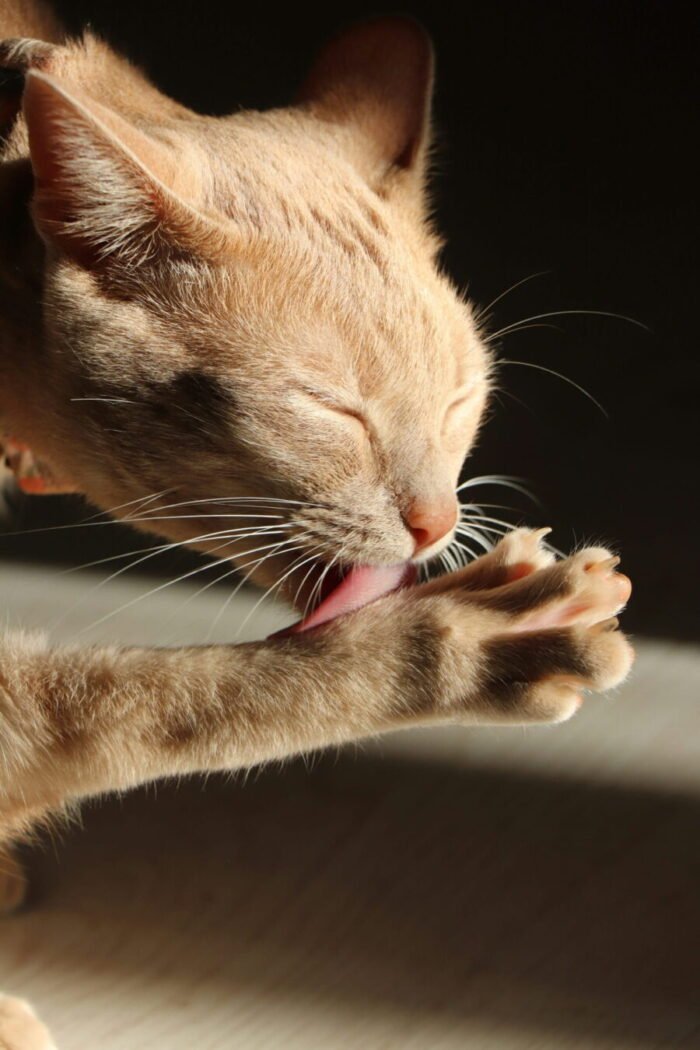
Cats spend a huge part of their day grooming themselves, which honestly is impressive considering how dramatic they act after stepping on one drop of water.
While grooming, their tongues trap loose and dead fur. And because cat tongues are covered with tiny hook-like barbs, that fur gets pushed straight into the stomach.
Normally, most of the hair passes through the digestive system without any issue. But sometimes, some of it stays behind and starts gathering into a clump.
And eventually… your cat throws it back up.
Hopefully somewhere easy to clean.
Funny enough, cat hairballs are usually not even shaped like balls. They often look long and tube-shaped because they travel through the esophagus on the way out.
As disgusting as they are, hairballs are actually pretty common in cats. But in some situations, they can become dangerous and even cause intestinal blockages.
Do All Cats Get Hairballs?
Pretty much, yes – although some cats deal with them more often than others.
Long-haired breeds like Maine Coons and Persians are especially famous for hairballs because… well, more fur = more swallowed fur.
Adult cats also tend to get more hairballs than kittens because they groom themselves much more efficiently and swallow more fur over time.
And during spring? Oh, hairball season begins.
That’s when many cats shed their thick winter coats, meaning even more loose fur ends up in their stomach.
How Do You Know If Your Cat Is Having a Hairball?
To tell you the truth… it can be terrifying at first.
Before you realize your cat is “just” coughing up hair, your brain starts preparing for every possible emergency scenario.
Usually, the signs of a cat hairball include:
- coughing
- hacking
- gagging
- retching
…followed by the magical appearance of a wet fur sausage on your carpet.
Cute.
And some cats love adding extra drama to the situation by making weird crying or howl-like sounds before vomiting.
Because apparently, the experience was not stressful enough already.
Is It Always Normal for Cats to Have Hairballs?
Well… yes and no.
Hairballs are normal occasionally. Some cats get one every few weeks, some once a month, and some very rarely.
But when hairballs become frequent, very large, or difficult to pass, things can become serious.
Sometimes, too much hair builds up in the stomach and forms a large clump that the cat struggles to vomit. In rare cases, hairballs can get stuck in the esophagus or even block the intestines.
And yes, unfortunately, those situations can become life-threatening.
Also, frequent hairballs can sometimes be linked to overgrooming caused by stress, pain, allergies, skin irritation, or other underlying health issues.
Imagine surviving as a tiny predator only to be betrayed by your own fur.
Tragic.
When Should You Call a Vet?
You should contact your vet if your cat has:
- repeated unsuccessful retching
- vomiting only foam or liquid
- constipation
- diarrhea
- decreased appetite
- lethargy
- fever
- trouble breathing or coughing heavily
- difficulty eating or drinking
How to Help Your Cat With Hairballs
The bad news?
You probably cannot stop hairballs completely.
The good news?
You can reduce them a lot.
1. Grooming. Grooming. Grooming.
Removing loose and dead fur before your cat swallows it makes a huge difference.
So the next time you feel lazy and think about skipping brushing day… just remember how much it helps your cat feel comfortable and keeps all that swallowed fur out of her stomach.
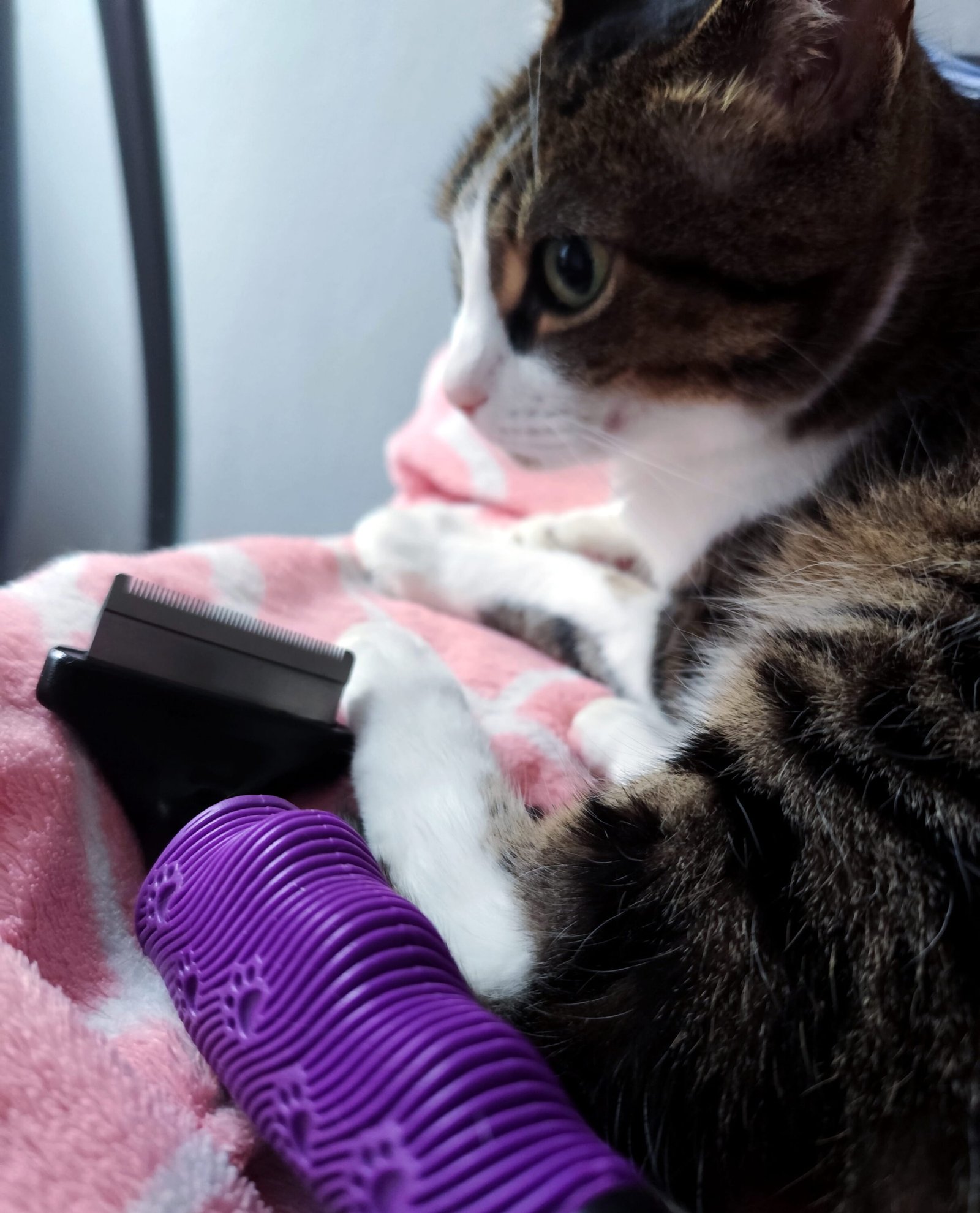
Honestly, one thing that helped me a lot was using a brush designed specifically for removing loose undercoat hair. Especially during shedding season, the difference is huge.
So yeah… definitely give something like this a try:
2. Change Their Diet
If your cat gets hairballs regularly, it may help to switch to a food specially designed for hairball control.
These foods usually contain extra fiber, oils, vitamins, and minerals that help move swallowed hair through the digestive system more easily instead of letting it stay trapped in the stomach.
There are also treats made for hairball control, and some even include cat grass or extra fiber.
Basically: less drama coming out of your cat later.
3. Cat Grass and Fiber
Cats are carnivores, not tiny lawnmowers, but small amounts of fiber can still help support digestion and move hair through the intestines more smoothly.
That’s why many cats enjoy things like cat grass, pumpkin, carrots, or small amounts of apple.
But don’t overdo the fiber.
Too much can cause diarrhea or affect nutrient absorption. And if your cat already eats a specialized hairball-control diet, it’s a good idea to check with your vet before adding extra fiber supplements.
4. Hydration Matters
Cats are honestly terrible at drinking water sometimes.
Some happily drink from a bowl forever, while others suddenly decide the water smells suspicious, the bowl is offensive, or their whiskers touched the side once and now the bowl is unacceptable forever.
Many cats prefer running water, which is why water fountains can help increase hydration a lot.
Wet food can also help since it naturally contains much more moisture than dry food. And nowadays, there are even soups and cat-safe milk products made specifically to increase hydration.
5. Oils Can Help Too
Small amounts of healthy oils can help lubricate the digestive tract and help hair move through more easily.
Options like fish oil, sardines, or canned tuna in moderation can sometimes help.
Just make sure not to overdo it, since too much fat can upset your cat’s stomach.
6. Medication
If hairballs become frequent or severe, talk to your veterinarian.
In some cases, vets may recommend hairball remedies or medications that help the hair pass through the digestive system more safely.
Final Thoughts
At the end of the day, hairballs are just one more weird little part of living with cats.
One moment they are majestic tiny predators gracefully cleaning themselves… and the next they are coughing up a wet fur noodle at 3 a.m. directly next to your bed.
Lovely creatures, truly.
Thankfully, most cat hairballs are completely normal and harmless. With regular grooming, good hydration, and the right diet, you can greatly reduce how often they happen and help your little feline stay healthy and comfortable.
And remember: if something feels off, trust your instincts and contact your vet. You know your cat better than anyone.
Want to Read More?
If you would like to learn more about cat hairballs, these sources were helpful while writing this article:
Treating Hairballs in Cats – WebMD
What Are Hairballs, Exactly, and Are They Really Normal? – The Pets Place Animal Hospital