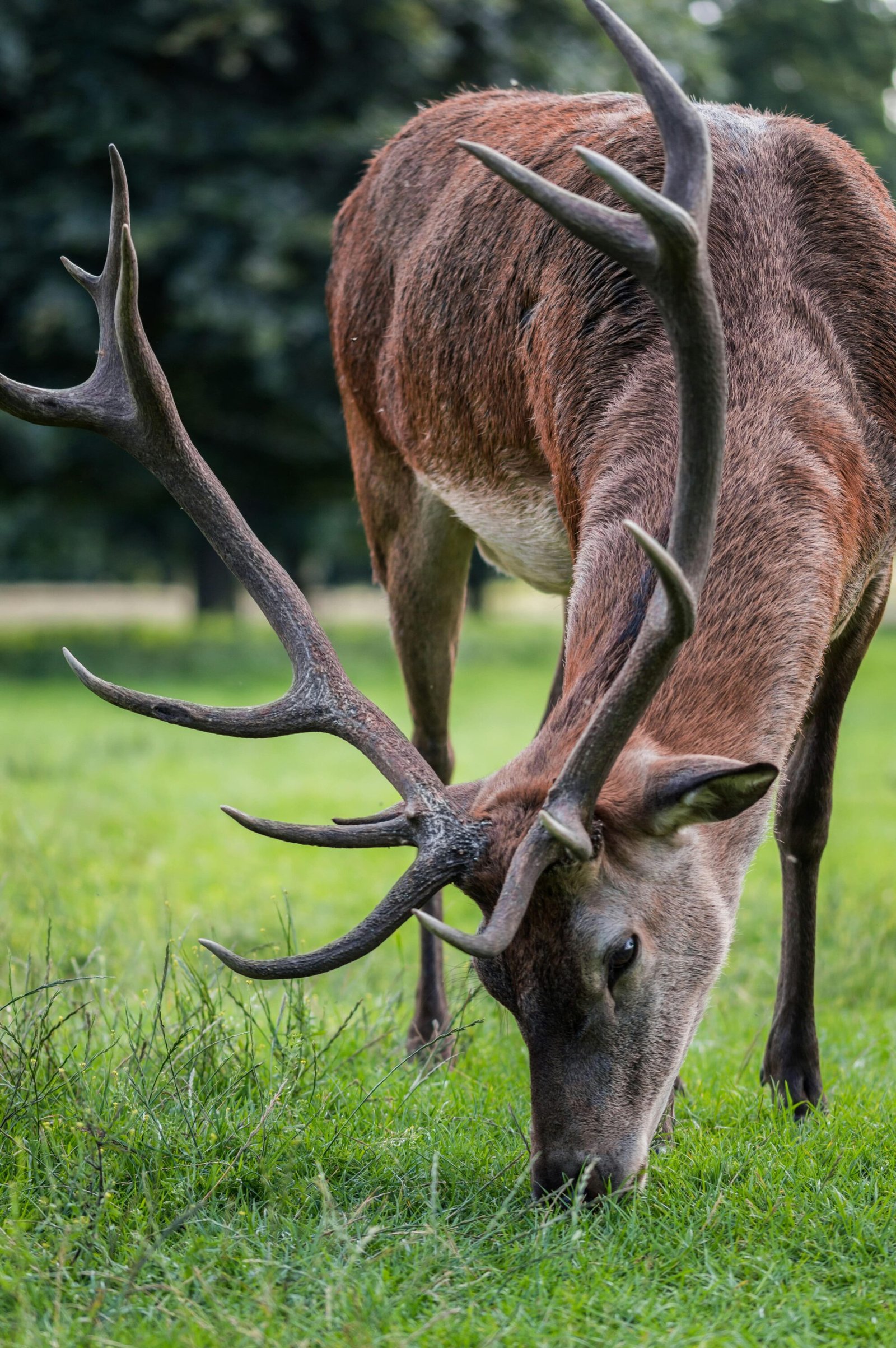
With their magnificent presence and stunning antlers, deer rightfully take their place among the most beautiful animals in the animal kingdom. We often use those impressive structures to identify a male, but there is so much more behind this majestic feature.
So, let’s talk about some of the characteristics that make them truly unique.
1. Only Male Deer Have Them (mostly)
In most species, only males grow these bony structures, which they primarily use during the mating and rut seasons to fight rivals and display dominance.
2. Caribou Are Different
The only species in which both males and females grow antlers is the caribou (reindeer). Although females have smaller ones, they keep them through the winter, while males shed theirs earlier.
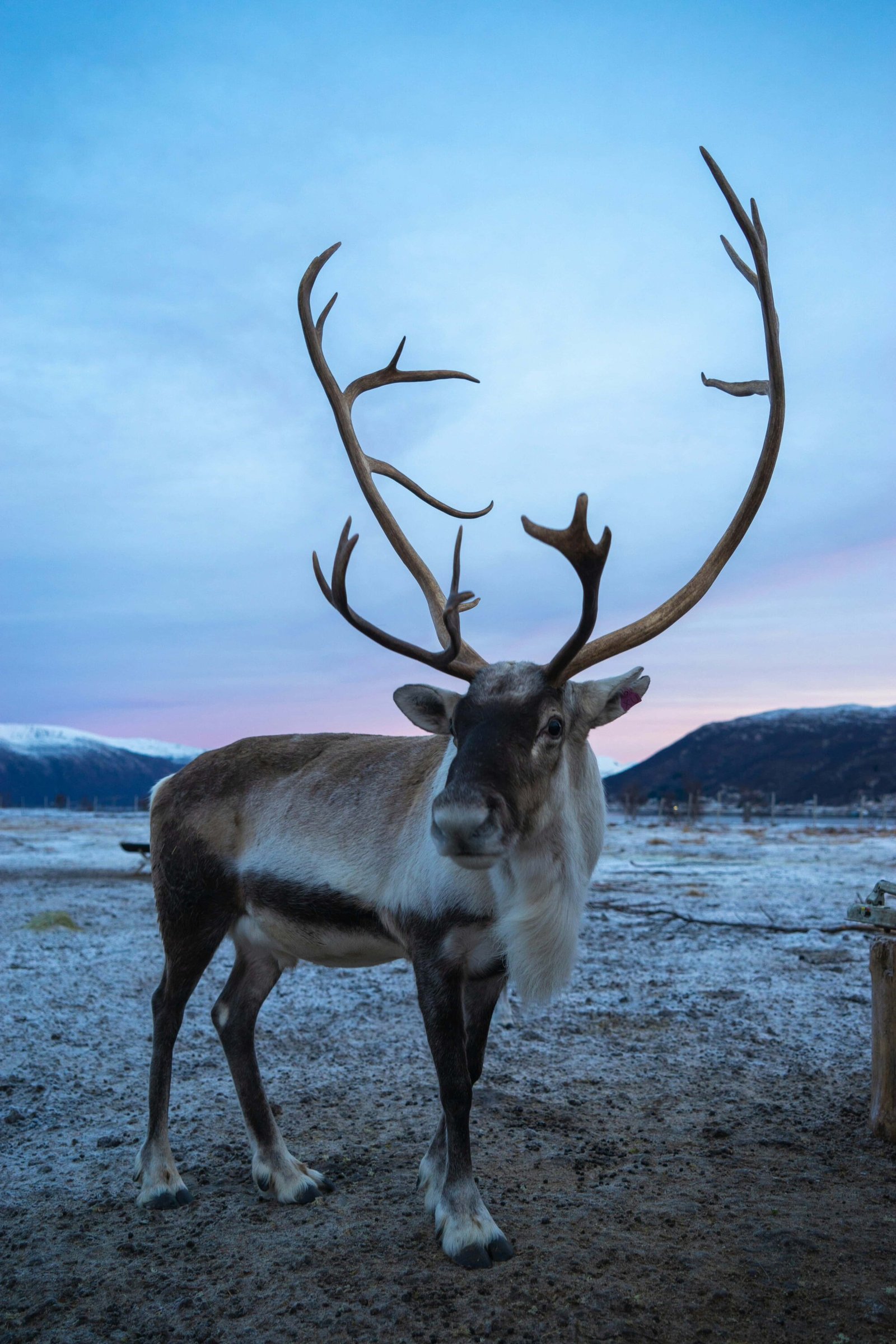
So basically, reindeer are the only queens in the deer family who actually wear a crown.
It’s believed that the female’s “winter crown” helps her defend access to food sources during pregnancy, until her little one arrives in spring.
Oh, and some female reindeer never grow antlers at all, because growing them requires a lot of energy, and in places with little or poor-quality food, it becomes much more difficult.
3. For Some Species, Antler Size Makes a Difference
In several species, females choose mates based on the size and complexity of males’ antlers.
Apparently, a large, impressive rack means: “I’m a healthy, strong, well-fed male with excellent genetics.”
And yes… the ladies definitely notice.
4. They Are an Extension of the Skull
Antlers are connected to the skull through pedicles – bony bases that hold everything in place.
Most males grow their first real set when they reach about one year of age.
5. Antlers And Horns Are Not the Same
Unlike what many people believe (myself included), antlers aren’t horns.
Here are some main differences:
Antlers
●Found in the Cervidae family.
● Only males have them (except caribou).
●They branch.
●Made of bone.
● They fall off every year and regrow.
Horns
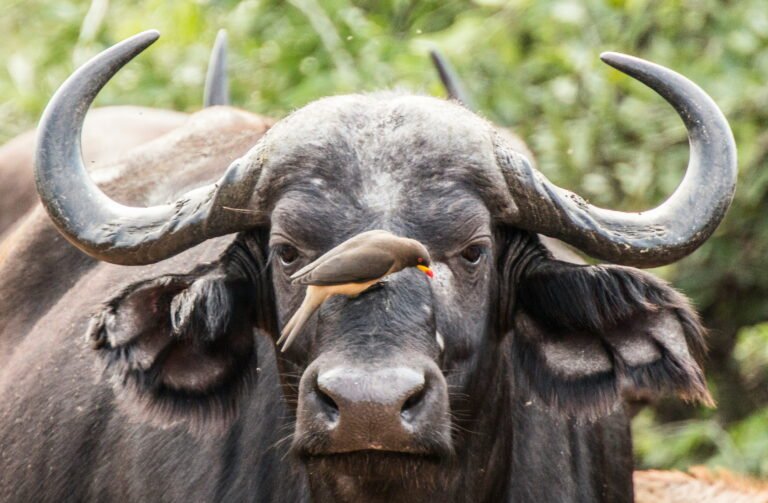
●Found in the Bovidae family.
● All males have them, and it’s more usual for females to carry them too.
●They don’t branch, though their size and shape vary by species.
● Made of keratin over a bony core.
●They do not shed, and in many Bovidae, they grow continuously.
6. Day Length or Photoperiod Controls Their Growth
There seems to be a specific “clock” in the brain that detects changes between day and night and regulates testosterone levels in males. The entire cycle of shedding and regrowth is controlled by testosterone.
In April, when daylight increases, antler growth usually begins.
Something particularly interesting: In an experiment, deer kept under constant half-light/half-dark conditions did not shed their antlers. But in constant light, they shed and regrew three sets in two years.
7. Fallen Deer Antlers Are a Snack for Other Animals
It’s true! They’re rich in protein, calcium, and phosphorus, which makes rodents and other animals search for those tasty treats.
8. In the Beginning, They’re Covered in Velvet…Literally
In spring, new antlers begin to form. A soft, highly vascularized skin, called velvet, covers them and nourishes their rapid development.
9. Velvet is Super Sensitive
Because of the blood vessels and nerves inside the velvet, developing antlers are extremely sensitive. Deer can feel pressure or discomfort if anything bumps into them.
10. Deer Antlers are the Fastest-Growing Bones in the Animal Kingdom
Growth speed depends on genetics and nutrition. Some species can grow 0.7 inches per day on average.
11. Stem Cells Are the Secret Engine Behind Antler Regrowth
Researchers have discovered specialized stem cells responsible for antler growth, which are similar to those that allow amphibians to regenerate lost limbs.
Since deer regrow these bones annually, scientists believe this ability could inspire breakthroughs in human tissue and organ regeneration.
12. Antler Hardening
As days shorten and antlers reach full size, testosterone rises again. Velvet dies, and deer begin rubbing their antlers on trees to remove it, revealing the hardened bone underneath.
And just like that, they’re ready to fight for mates.
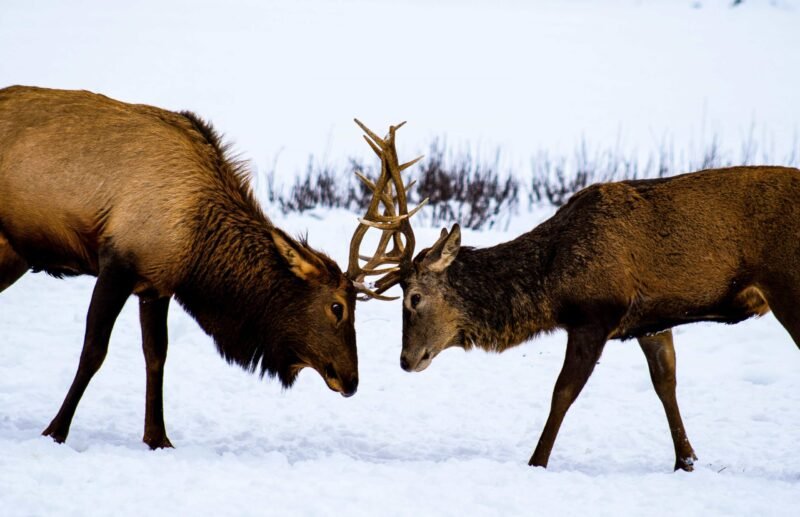
13. When Do Deer Shed Their Antlers?
During winter, testosterone levels drop and antlers…fall, leaving the pedicles behind. For most species, this happens every year after mating season. They regrow in spring, usually larger and more complex than before.
It’s like a yearly upgrade.
(If only I had known this years ago… I used to get so upset when people gave dogs antlers as chew treats because I thought deer had to be killed to get them!)
14. Every Deer Has Its Own Antler “Style”
Just like fingerprints, every set is unique. Each one is shaped by multiple factors such as genetics, age, nutrition, and even past injuries.
They also differ widely among species.
15. No, You Can’t Determine Age Only by Antlers
I used to think that too, since antlers often get larger each year.
In reality, you need more clues to determine a deer’s age – such as body size, muscle tone, and other physical characteristics. So, antlers can help, but they’re not a reliable indicator on their own.
16. Why Do Deer lose their “pride”?
After the mating season ends, they no longer need them. Antlers are heavy and require a lot of energy to carry, so shedding them helps bucks conserve energy for the winter.
Also, a theory suggests that antlers were originally prone to breaking during fights, so shedding and regrowing them may have evolved as a more efficient long-term strategy.
17. Velvet Shedding Looks Painful, but It’s Not
Watching a deer rub the velvet off its antlers can look shocking…almost like a scene from a horror movie, where the usually sweet deer suddenly appears like a killer.
However, it isn’t painful…it may just feel a little itchy. Once the velvet “dies” and loses its blood supply, it simply dries and peels off.
It basically needs a little push, and it’s usually off within 24 hours.
Nature has everything covered, don’t worry!
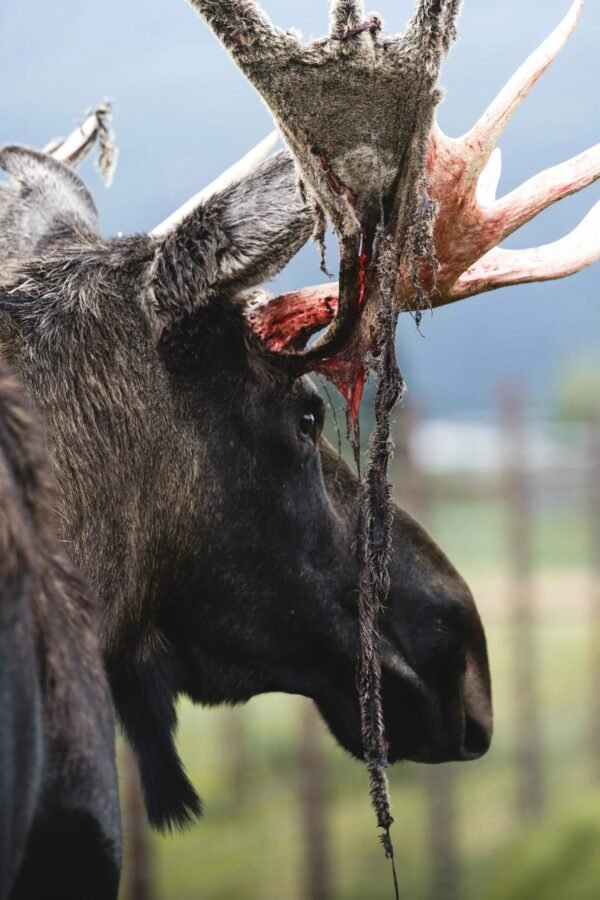
(It’s the only royalty-free image I could find, but there are more on Google if you’d like to see.)
18. What About the Antlers Themselves? Is it Painful When They Fall?
Once velvet is gone, there’s no blood supply left, only hard bone. At the right time, when the connection between the antlers and the pedicles weakens, they drop off without causing pain.
19. Deer Antlers Had Many Uses in History
Strong, flexible, and relatively easy to find, antlers were widely used throughout history to make tools, weapons, ceremonial items, and more.
20. What Determines Antler’s Shade?
The final color is influenced by several factors, including how much oxidized blood remains on the surface of the antlers after velvet shedding and the type of tree the deer rubs against.
More rubbing often results in a darker color.
21. Do All Male Deer Have Antlers?
Mostly, but not always.
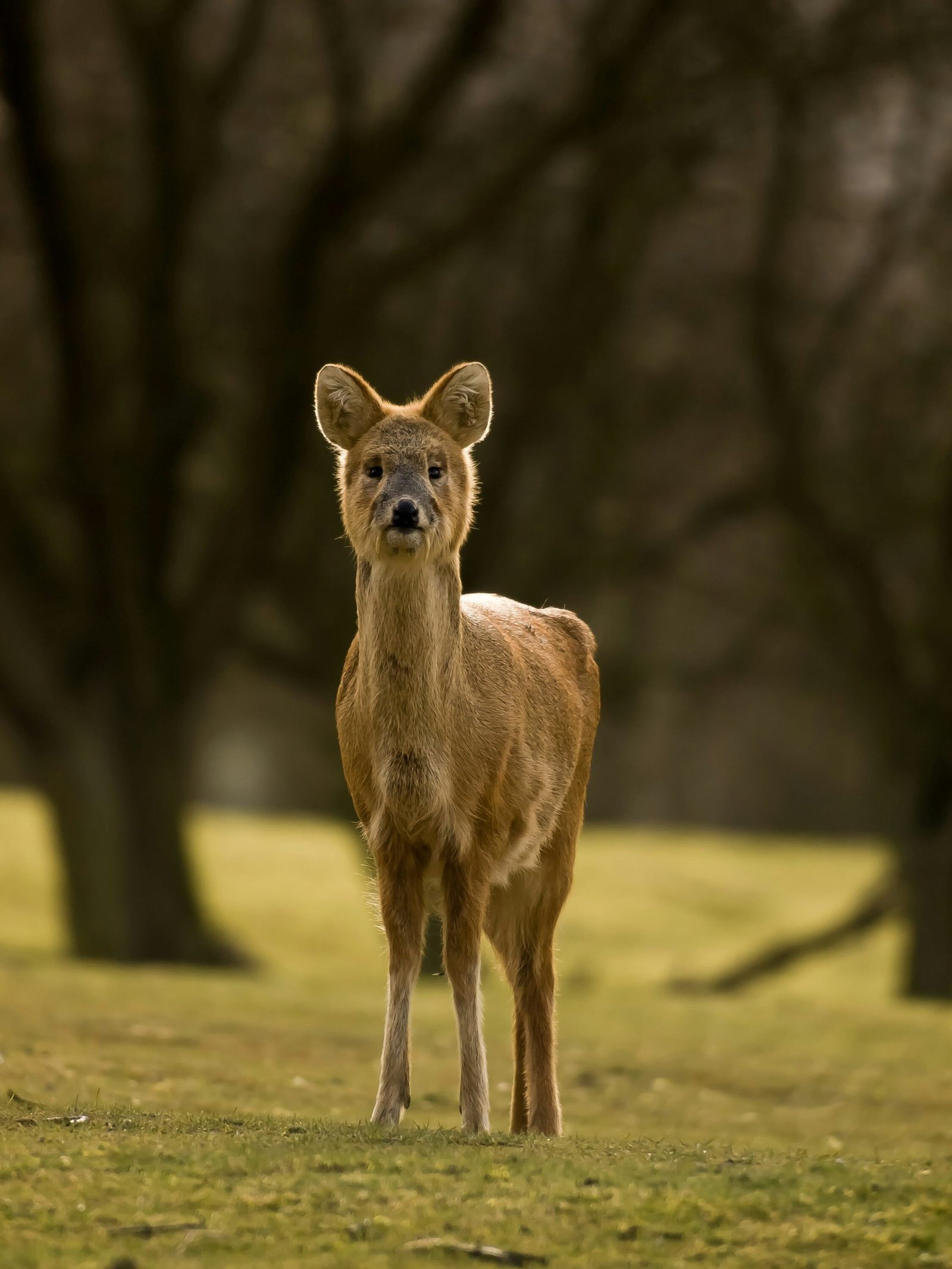
For example, Chinese water deer have tusks instead of antlers.
Additionally, a diet lacking essential nutrients (protein, phosphorus, and calcium) can lead to deformities or smaller antlers.
Also, an injury to the testicles can reduce testosterone, affecting growth.
Lastly, an injury to the pedicles can permanently change how antlers grow, leading to abnormalities, unusual shapes, or differences in size.
In extremely rare cases, hormonal imbalances can cause females to develop antler-like structures. These are usually underdeveloped, abnormal, remain velvet-covered, or cannot fully harden due to insufficient testosterone levels.
Final Thoughts
I don’t know about you, but I’m totally impressed by the deer family. Whenever I saw a deer, I just couldn’t take my eyes off it. And now that I know even more about them, I admire them on a whole new level. 🤭
I hope you found reading this post as interesting as I found writing it.
Thank you so much for being here.😊
Further Reading
If you’d like to explore more about how antlers grow, shed, and regenerate, here are some sources:
You can also watch this amazing National Geographic illustration, “A Year In Antlers.”