When humans think about wildlife, they almost always imagine survival of the fittest.
That something as big and dangerous as a crocodile would eat anything that comes its way.
Or that animals only coexist with others from the same species.
But…
Nature never stops surprising us.
Across the animal kingdom, species form unlikely partnerships, helping each other survive, eat, and even stay clean (yes, animal hygiene is a thing – and a pretty serious one).
Some of these relationships are strategic, others are downright bizarre, but all of them prove one thing: teamwork helps everyone thrive.
Let’s dive into 9 incredible animal partnerships that will make you see nature in a whole new way.
1. Crocodiles and Egyptian Plovers – The Most Dangerous Dentist Appointment (Or Maybe Not?)
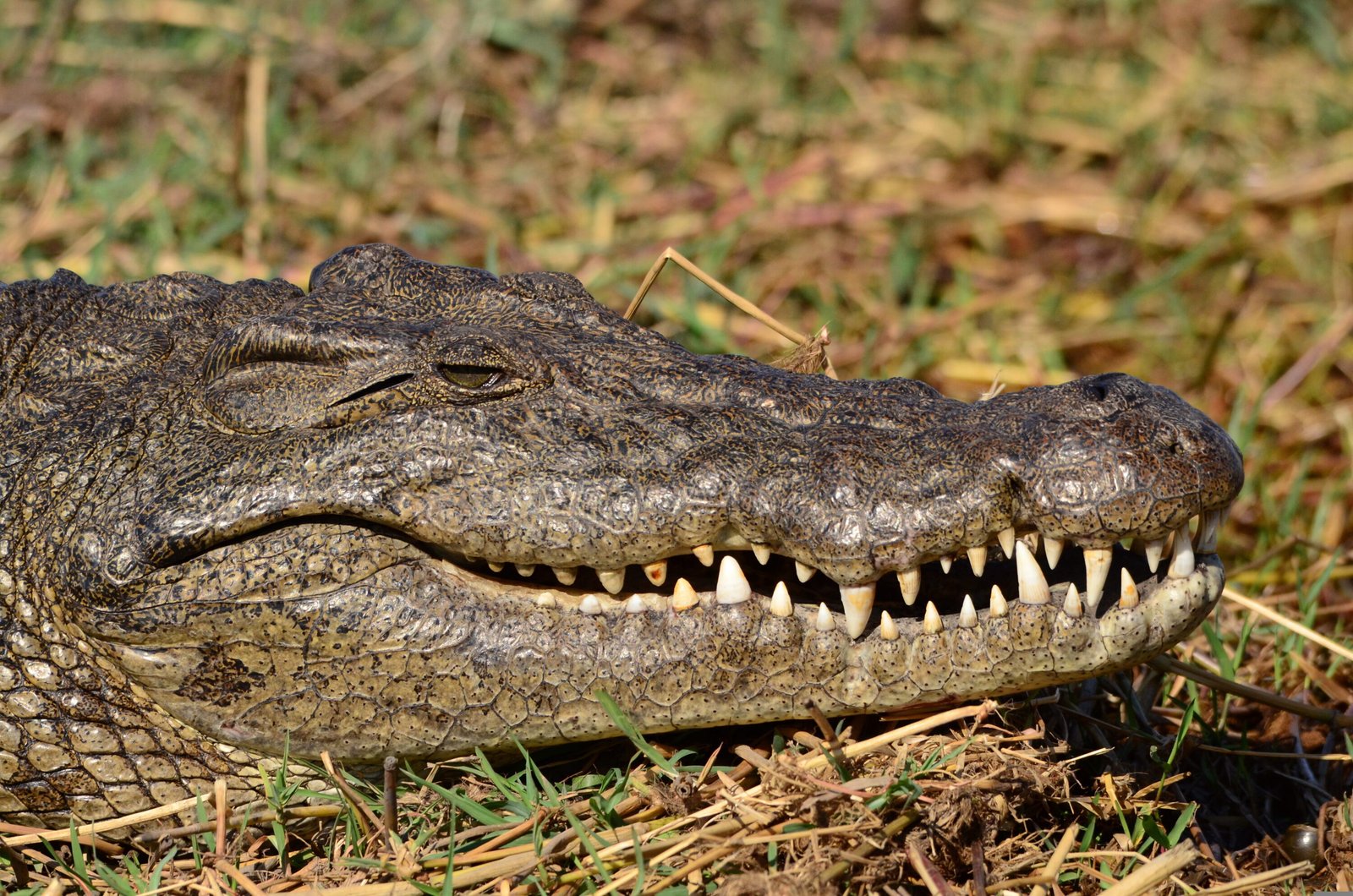
Plovers are sometimes called “crocodile birds” for a reason. They are believed to have formed a unique relationship with crocodiles – one where they’re not seen as food, but more like… tiny dentists.
Crocodiles will occasionally lie still with their mouths open, allowing these brave little birds to hop in and pick out bits of leftover food and parasites.
The plovers get an easy meal, and the crocodiles get cleaner teeth. Not a bad deal.
And somehow… no one gets eaten.
(Most of the time 👀 – kidding… hopefully.)
2. Water Buffalo and Birds
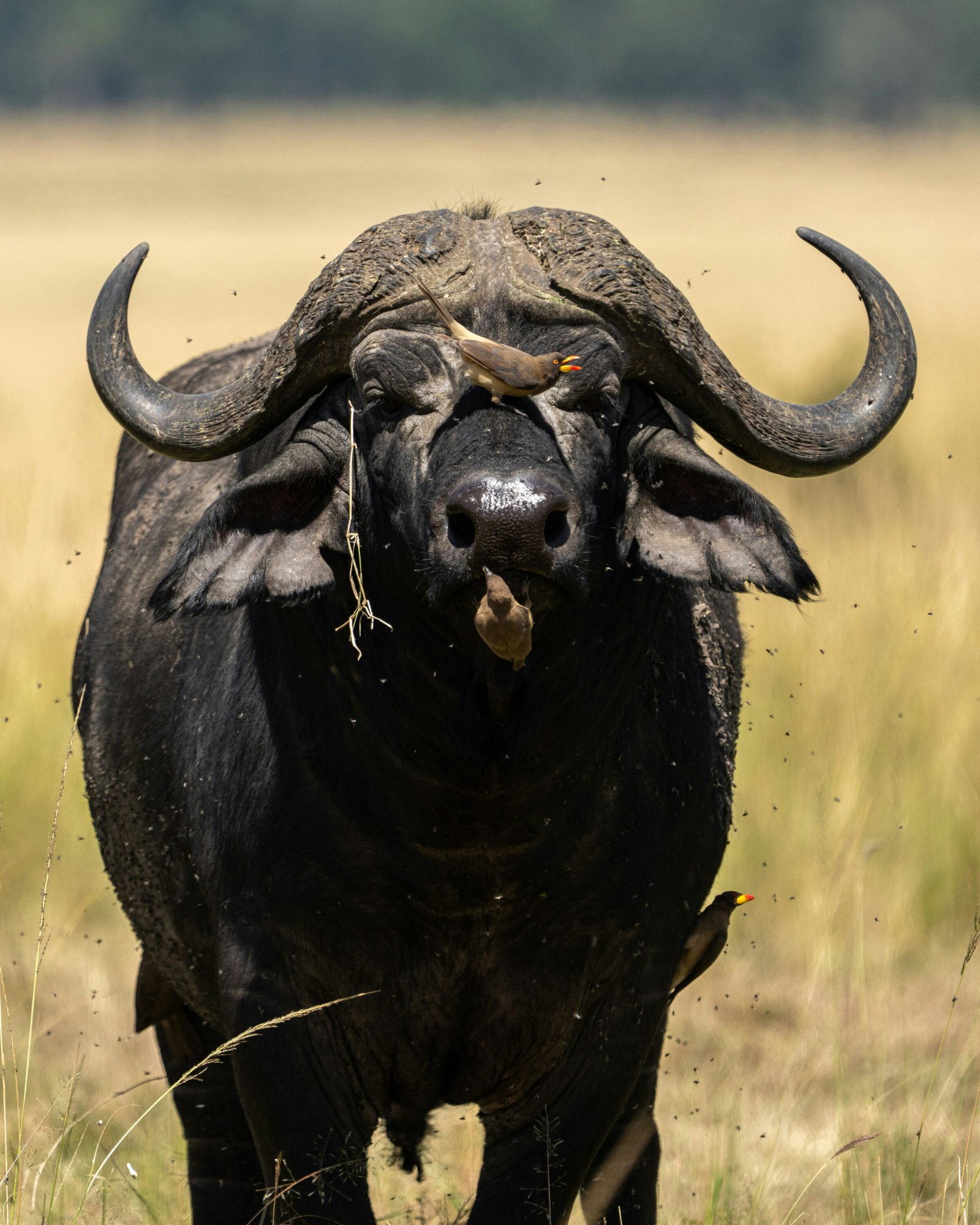
Speaking of birds, here’s another great example of teamwork in the wild.
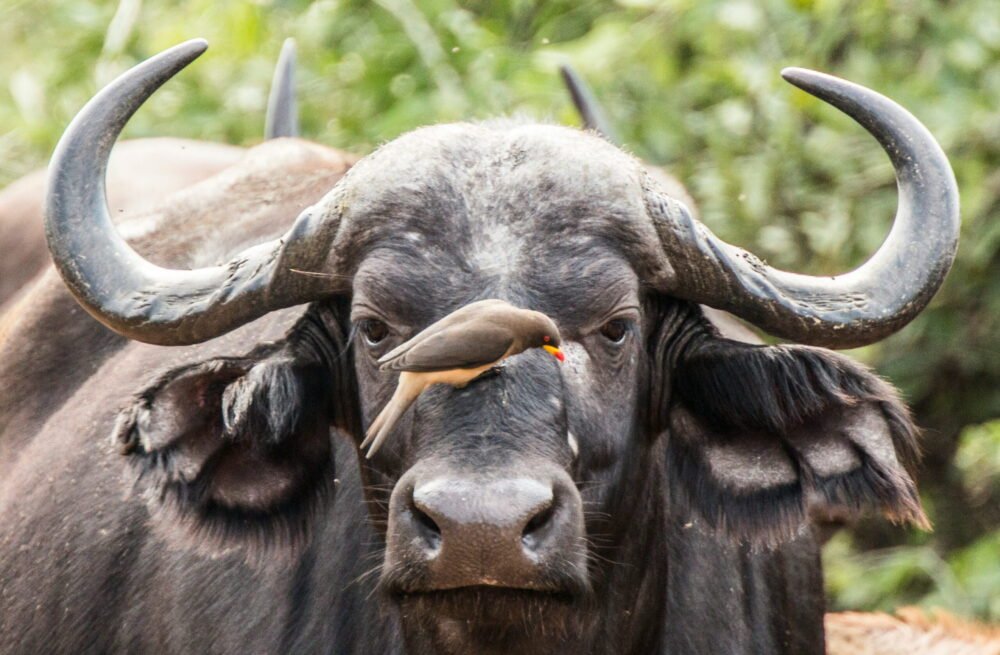
Birds like cattle egrets and oxpeckers have learned to take advantage of large grazing animals such as buffalo, rhinos, and even zebras.
As these animals move through tall grass, they flush out insects – creating the perfect opportunity for an easy meal. So naturally, the birds stick close by, often riding on their backs like it’s public transport.
While they’re up there, they also snack on ticks and other parasites from the animal’s skin.
Free food for the birds, pest control for their hosts… and yes, a free ride included.
Oh, and one more thing – these birds can also act as an early warning system. If they sense danger, their sudden movements or calls can alert the larger animal.
Not bad for such a small teammate.
3. Zebras and Ostriches
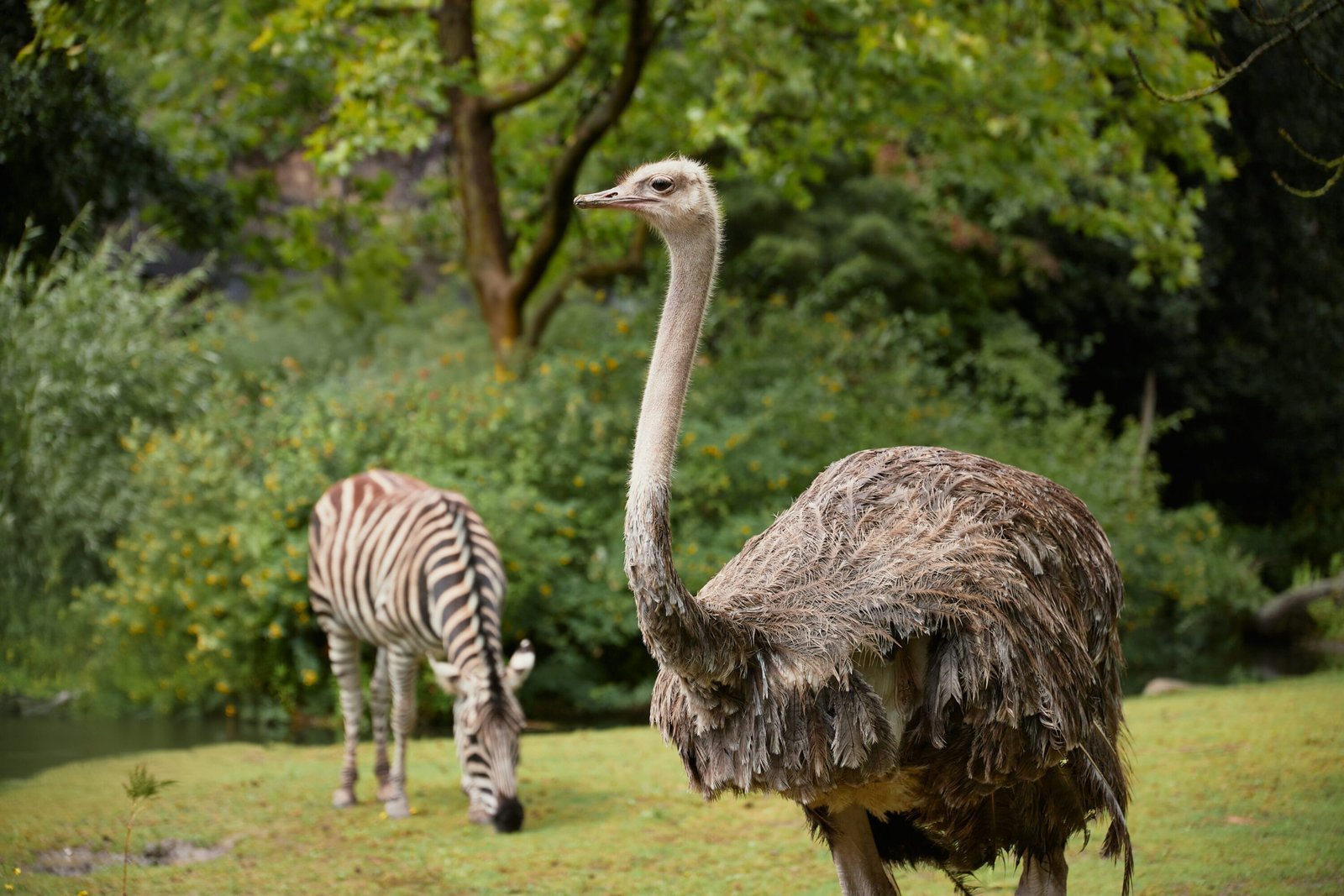
Life on the savanna isn’t easy… especially when you’re on everyone’s menu.
Zebras and ostriches are both prey animals, so staying alert is a matter of survival.
Zebras have strong hearing and smell, but their eyesight isn’t the best.
Ostriches, on the other hand, have excellent vision but a weaker sense of smell.
So, they team up.
By sticking together, they combine their strengths and create a much more effective warning system against predators.
It’s basically nature’s version of:
“I’ll keep watch while you sniff out trouble.”
4. Sharks & Cleaner Fish – Underwater Spa Day
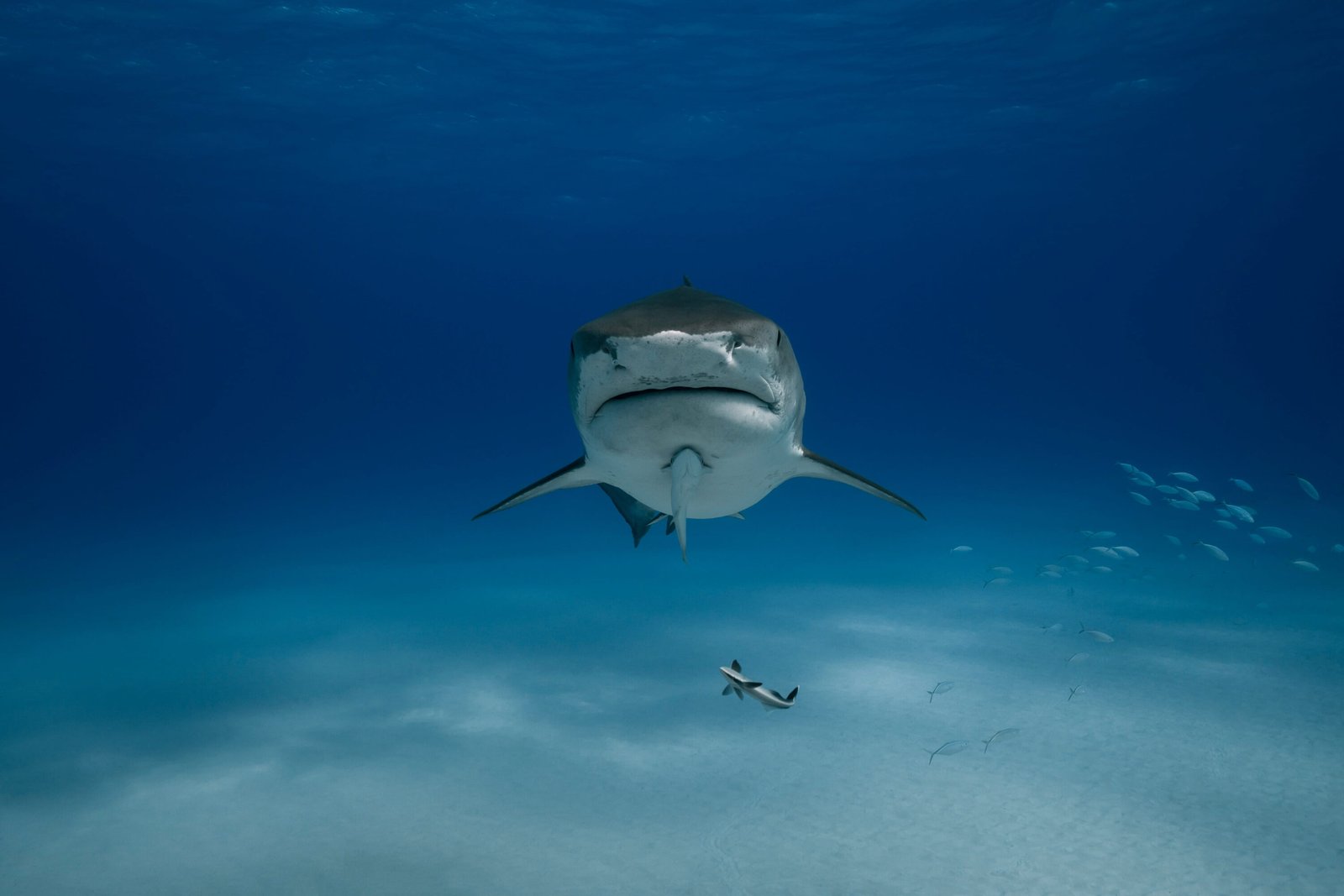
Who said sharks don’t need a spa day? Of course they do.
Meet the cleaner fish – and in some cases, remoras (also known as suckerfish).
Remoras are famous for the suction disc on their heads, which lets them attach to larger animals like sharks, whales, and turtles. While hitching a ride, they feed on parasites, dead skin, and leftover scraps.
Cleaner fish take it a step further, actively “cleaning” the shark – even swimming inside its mouth to remove unwanted bits.
The shark gets cleaned, the fish get fed, and everyone leaves happy.
And the wildest part?
The shark doesn’t attack them.
It’s like an unspoken rule of the ocean:
“Don’t eat your therapist.”
5. Wolves & Ravens – Hunting Buddies
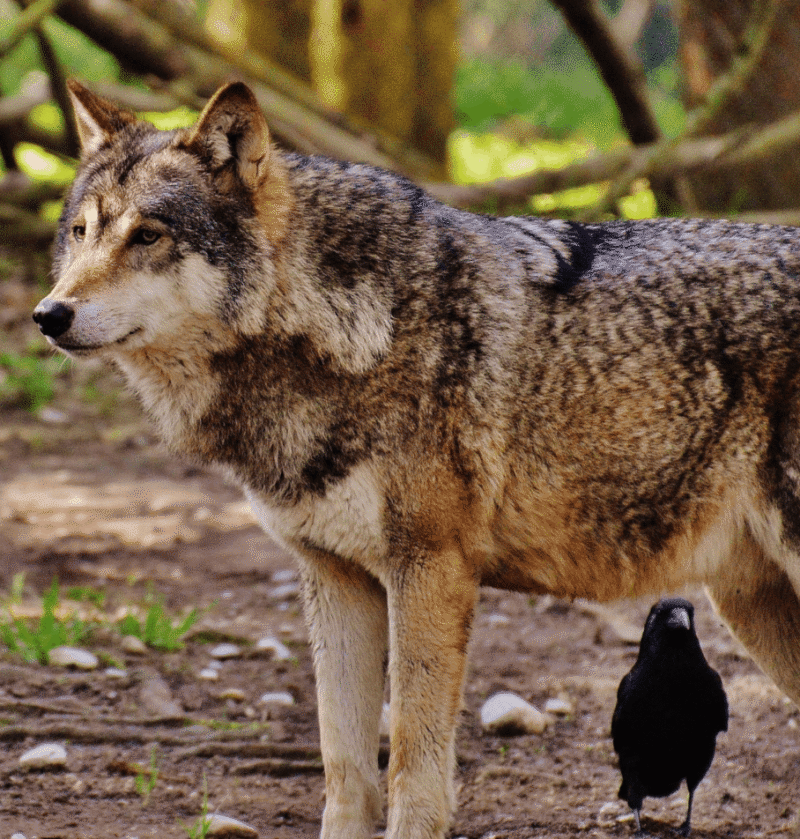
Have you ever heard of this duo? Sounds a bit odd, right?
Well, wolves and ravens have been working together for centuries. In fact, some people even call ravens “wolfbirds.”
Ravens often circle high in the sky, scouting for weak, young, or injured animals. When they find something, they make loud calls and lead wolves to the target.
Once the hunt is over, the ravens get their share.
But that’s not all.
Sometimes, ravens guide wolves to carcasses they’ve already found but can’t tear open on their own. Wolves do the heavy work, and ravens happily join the feast – often storing extra food for later.
They also act as an alert system, warning wolves about potential danger or anything unusual.
And here’s where it gets really interesting.
Scientists have observed something that looks a lot like… friendship.
Ravens have been seen playing with young wolves – grabbing sticks or bones, flying just above them to tease them, or even gently tugging at their tails.
In some cases, it even seems like a raven “chooses” a specific wolf, forming a bond similar to the ones they create with other ravens.
Not just hunting partners… but something closer to real companions.
6. Clownfish & Sea Anemones
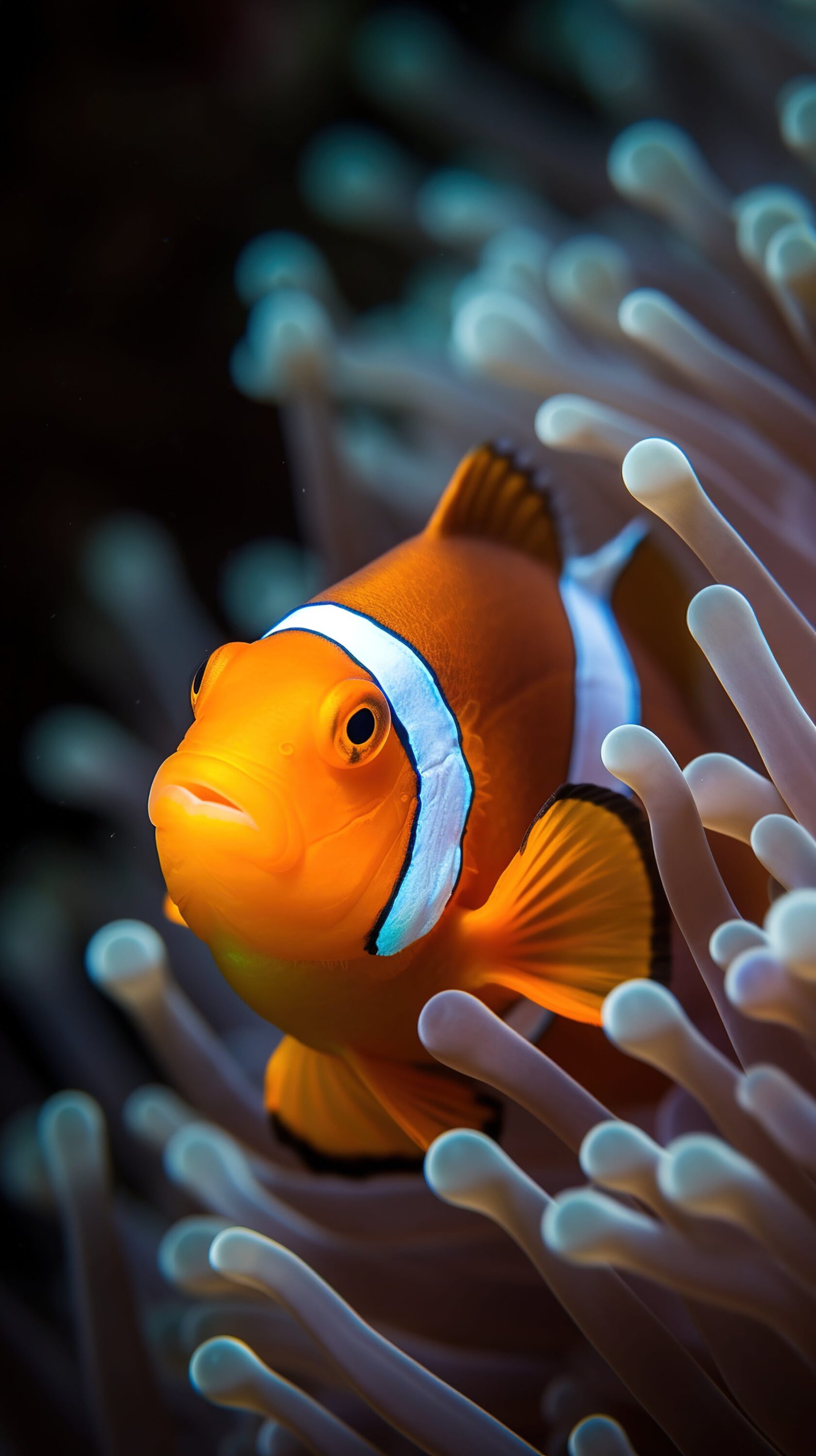
You probably thought it was just a beautiful sea plant, right?
Yeah… same here 😄
But sea anemones are actually animals, closely related to jellyfish and corals – and they’re predators.
They attach themselves to one spot and use their stinging tentacles to catch passing fish.
So naturally, most fish know to stay far away.
Well… not clownfish.
Clownfish are one of the few species protected from the anemone’s sting, thanks to a special mucus layer that covers their bodies. This allows them to live safely among the tentacles – basically turning a deadly trap into a safe home.
They get protection from predators and easy access to food.
But they’re not just freeloaders.
Clownfish help anemones by chasing away fish that feed on them (like butterflyfish), removing parasites, and even bringing in food.
So yeah… toxic relationship? Maybe.
But somehow, it works perfectly.
7. Ants & Aphids
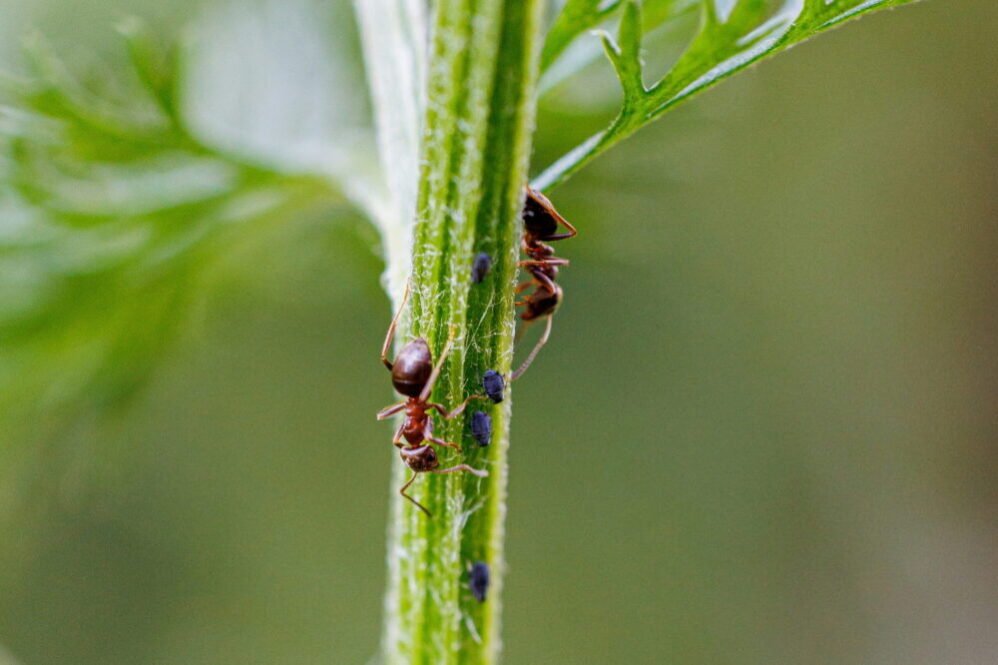
Ants are basically tiny farmers – and aphids are their livestock.
Aphids feed on plant sap and produce a sugary liquid called honeydew, which happens to be one of the ants’ favorite foods. So naturally, an alliance is formed.
Ants guard aphids as they move between plants, protecting them from predators. They even keep them safe in their nests during the night or colder seasons.
In return, ants use their antennae to gently tap the aphids, encouraging them to release their precious honeydew.
It gets even more impressive.
In some ant species, there are specialized workers whose only job is to take care of the aphids. Some sources even suggest that ants build dedicated spaces for them, and when forming a new colony, they may carry aphid eggs along to start a brand-new “herd.”
So yeah… farming existed long before humans showed up.
8. Goby Fish & Pistol Shrimp – The Tiny Security System
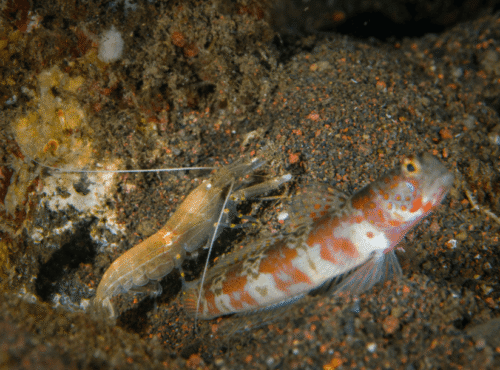
This is easily one of the cutest partnerships in the ocean.
Pistol shrimp are small but powerful predators, known for their ability to snap their claws shut at incredible speed, creating a loud pop and even a tiny shockwave to stun prey.
But there’s one problem… their eyesight is terrible.
So, they’ve teamed up with goby fish.
The shrimp digs and maintains a burrow, while the goby stands guard outside. The two stay in constant contact, with the shrimp keeping one antenna on the fish’s tail.
If the goby spots danger, it flicks its tail as a warning – and both instantly retreat into the burrow.
The goby gets a safe place to hide, and the shrimp gets a reliable lookout.
Not bad for a team where one can’t see… and the other doesn’t dig.
9. Coyotes and Badgers
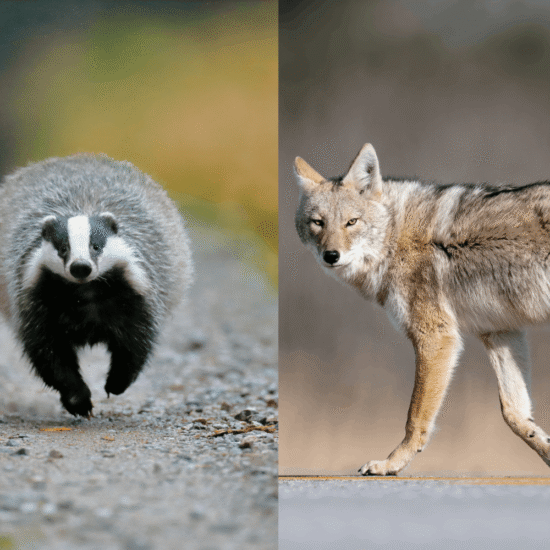
These two are true hunting partners.
Coyotes hunt in open spaces, relying on their speed and agility. Badgers, on the other hand, are expert diggers that chase prey into their burrows.
So when a small animal senses a coyote and hides underground… it’s not really safe.
Because that’s exactly where the badger comes in.
The badger digs the prey out, forcing it back into the open – right where the coyote is waiting.
Game over.
Studies even suggest that coyotes hunting alongside badgers can be up to one-third more successful.
Now that’s what you call a power duo.
🌿 What These Animal Friendships Teach Us🌿
These partnerships aren’t random – they’re the result of evolution, trust, and mutual benefit.
In science, this is called mutualism: a relationship where both sides win.
But beyond the science, there’s something deeper here.
It reminds us that survival isn’t always about fighting.
Sometimes, it’s about finding the right allies – and helping each other along the way.
And sometimes… your best ally might be the one you’d never expect.
So next time you think teamwork is just a human thing… nature might disagree.
You might also like: 10 Creatures with Strange Superpowers That Will Shock You
Sources (for further reading):
- Farmer ants and their aphid herds – McGill
- Sea Anemone and Clownfish: Behind the Scenes of an Iconic Friendship – National Marine Sanctuary Foundation
- Pistol Shrimp & Gobies: A Safe Alliance – LiveAquaria
- Remora Fish and Their Unique Relationship with Sharks – One Ocean diving
- Wolves & Ravens: A Mutually Beneficial Relationship – Wild Spirit Wolf Sanctuary
- Sea anemone and clownfish microbiota diversity and variation during the initial steps of symbiosis